Best Price Guaranteed | New Zealand Campervan Hire | Email, chat or call the Spaceships NZ Crew


Hit enter to search or ESC to close
When to Visit New Zealand: Summer Season Guide
New Zealand’s summer is truly something special. Golden beaches, alpine hiking and endless daylight hours make it a spectacular place to visit during its warmest months. We all know summer in New Zealand is stunning, but timing matters more than most travellers realise.
While everyone fixates on the Christmas-New Year window, smart travellers know there’s a better option hiding in plain sight. The period from mid-January through to February offers everything that makes a New Zealand summer magical - warm weather, outdoor adventures and vibrant coastal towns, with almost none of the frustrations that catch peak season visitors off guard.
Keep reading to learn why timing your trip just a few weeks differently can transform your entire experience. We’re here to help you make the most out of your New Zealand travels!
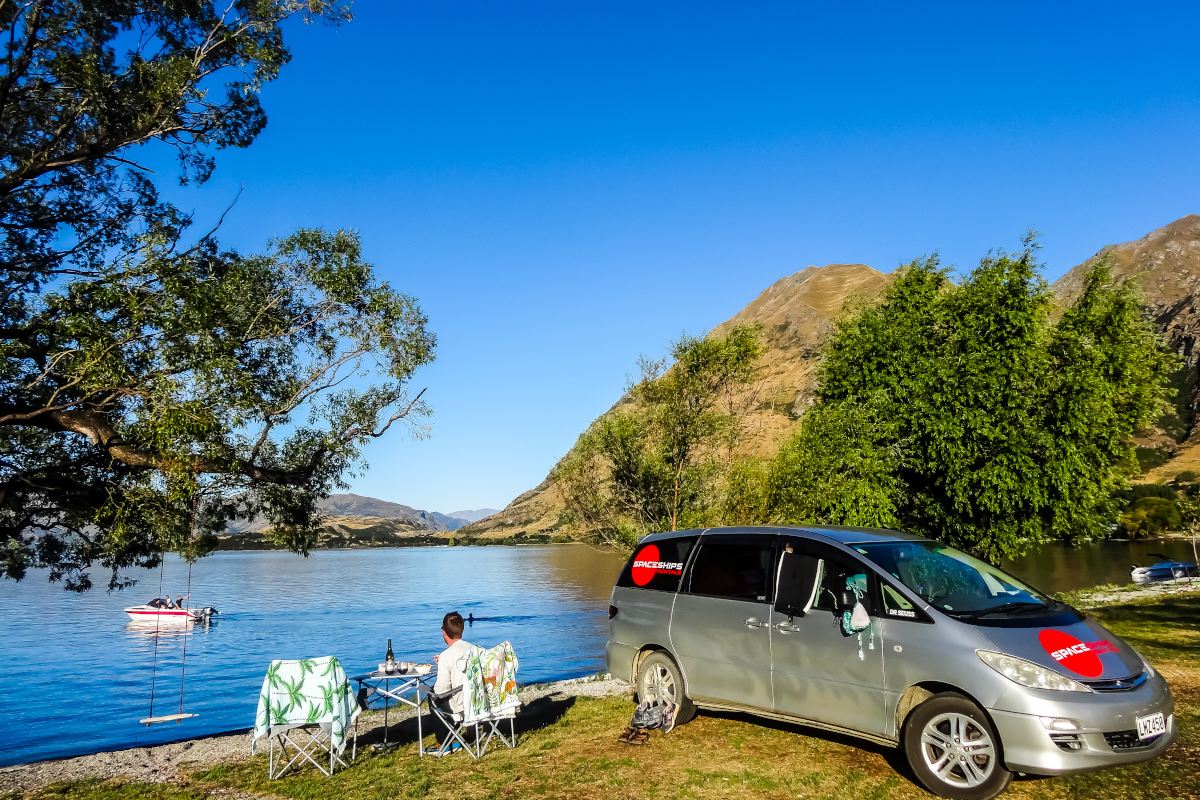
Dinner by the lake in summer - does it get any better?
New Zealand’s Peak Travel Season - December to Mid January
Peak season. When New Zealand becomes a victim of its own beauty. International visitors flock to our shores while Kiwi families take their annual summer holidays, creating the perfect storm of demand that ripples across the entire country. The tourist hot spots bear the brunt of this seasonal surge. Milford Sound coach tours run back-to-back, Abel Tasman water taxis operate at capacity, and the queue for parking at Cathedral Cove can feel longer than the walk itself.
Booking a campervan during this window often requires planning at least six to nine months in advance, not just to get the hire dates you want, but also to lock in rates before they climb higher as summer approaches. Popular campgrounds fill up fast, iconic day walks require an early start to secure a parking spot and that “spontaneous road trip vibe” feeling slowly slips away as spreadsheets fill up and reservation confirmations come in.
Pricing across the board reflects peak season economics. Limited campervan availability meets maximum, pushing rates to their annual high - and it's not just for rentals but activities too. If December-January timing works for you, book early to secure better rates.
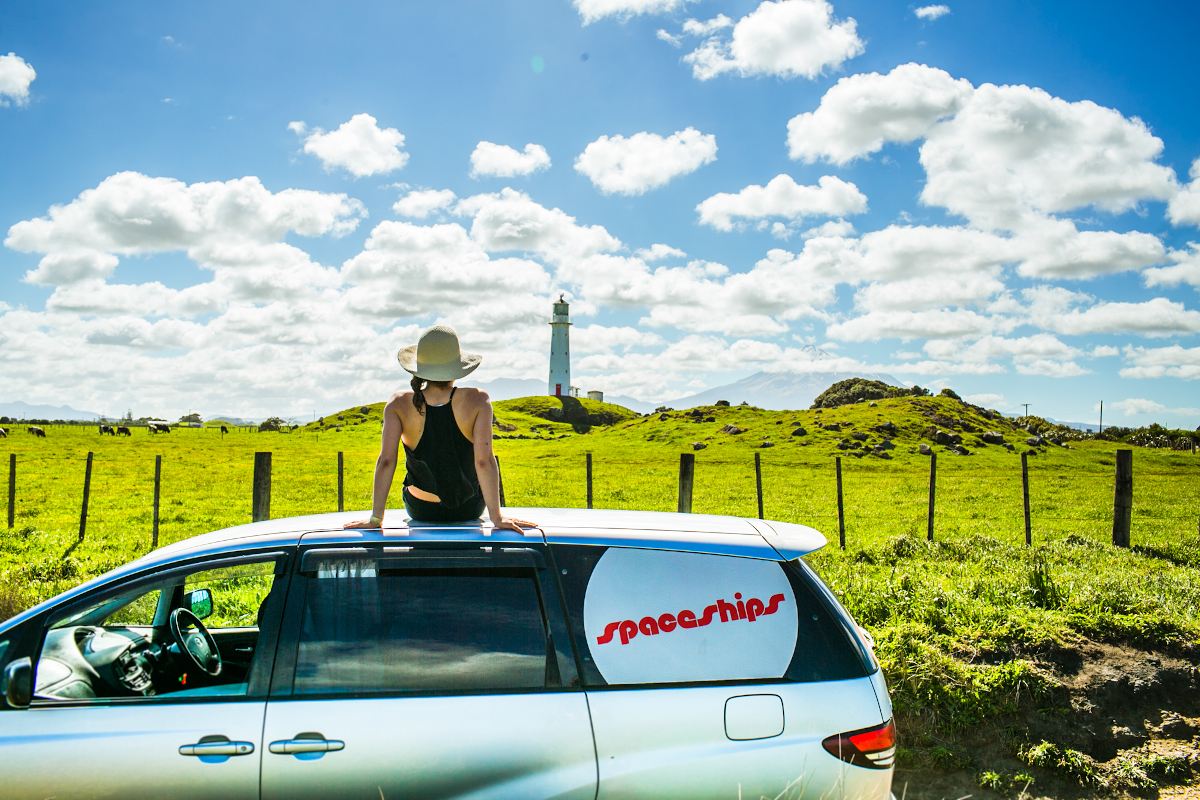
Enjoy the summer sun - Spaceships style
Mid-January to February: New Zealand’s Best-Kept Summer Secret
Come mid to late January, New Zealand hits the rest button. School holidays end and Kiwi families head home to get ready for their regular work schedule. You’ll notice fewer vehicles on the road during the week and crowds at popular spots begin to dwindle. It feels like someone finally turned down the volume and that peaceful New Zealand feeling begins to shine through.
Kiwis Return to Work (And Travellers Benefit)
When locals clock back into work after the New Year break, the ripple effect works entirely in your favour. Those amazing kayaking tours, jet boat rides, bungy jumps or even scenic flights are able to accept bookings with just a day or two’s notice. Essentially, all those activities and experiences that were locked up by domestic holidaymakers and peak season travellers suddenly become more accessible. The entire tourism infrastructure that was stretched to capacity relaxes and you, Space Traveller, are right here with your campervan packed ready to roll when it does.
Great Summer Weather
New Zealand's weather has a reputation for being, let’s say, spontaneous. But late summer is when it actually starts to settle down and find its sweet spot. Temperatures settle into a consistent 18-25°C range across most of the country. It’s the best time to be out and about as it’s cool enough for comfortable hiking and exploring, yet warm enough for beach days and outdoor dining.
For campervan life, it’s genuinely ideal. You’re not cranking the air conditioning or waking up at 3am stuck to your sheets. Morning coffee outside the van is comfortable and evenings in the campground are enjoyable. While no season in New Zealand guarantees perfect weather (our maritime climate keeps things interesting), late summer and early autumn typically see fewer dramatic temperature swings.
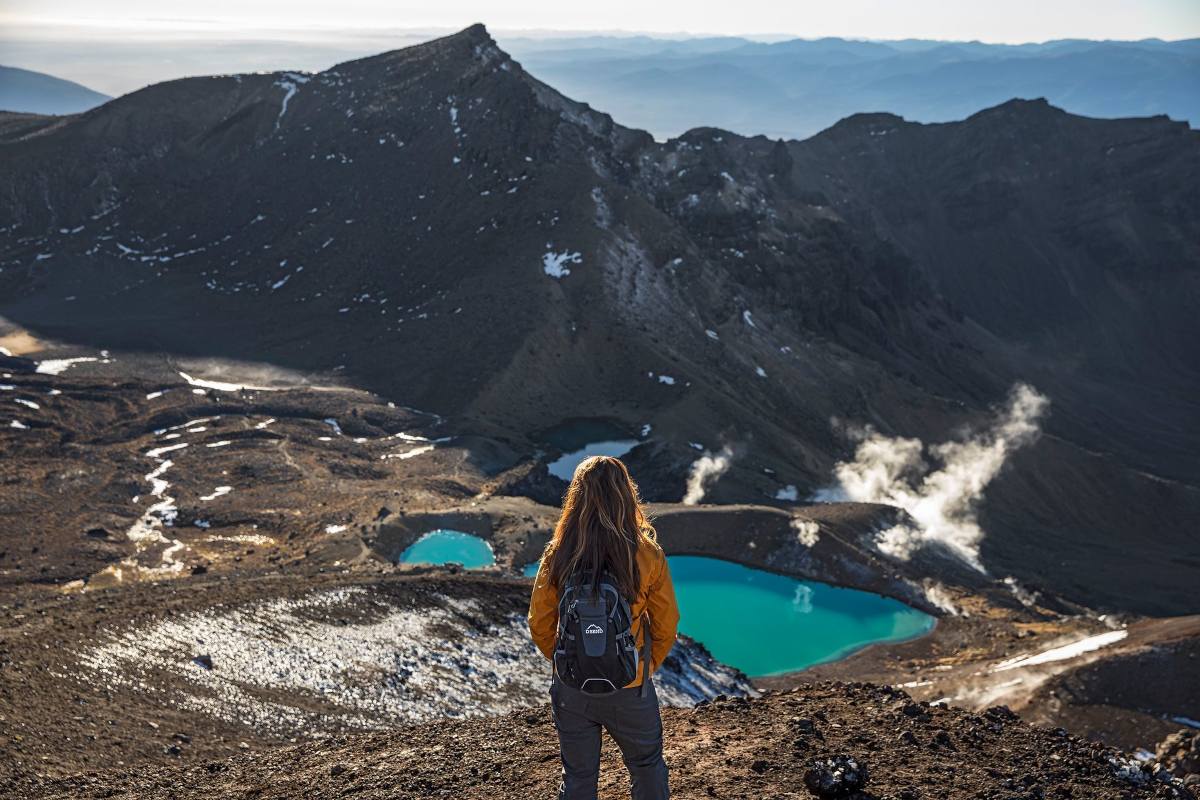
Hike the famous Tongariro Crossing
Crowds Vanish, But the Magic Doesn't
This is where late summer truly shines. Every iconic Kiwi experience that was busy in December suddenly has breathing room again. Roy’s Peak Track near Wanaka (that Instagram-famous hike where people queue for the summit photo) returns to normal foot traffic levels, Tongariro Alpine Crossing (a very popular NZ day hike) sees visitor numbers drop and beach towns like Raglan and Mount Maunganui regain their laidback coastal character.
Urban areas benefit too. Wellington’s restaurants return to normal service, Auckland’s Waiheke Island wine tours feel more immersive, Rotorua’s cultural experiences become intimate again and Christchurch’s Botanic Gardens actually feel like gardens rather than event venues. Visiting New Zealand in late summer means you get to experience popular places as they’re meant to be experienced.
Summer Activities with Half the Hassle
Late summer doesn’t mean you miss out on all the buzz! You quite literally lose absolutely nothing in terms of what you can do. All the summer activities are still running, just with less of a crowd.
Water sports and beach days are still in prime condition. Ocean temperature sits around 18-20°C around much of the North Island - perfectly swimmable without feeling like you’ve jumped in the Arctic. Surfing conditions at Raglan and Piha remain excellent as the summer swell rolls in, and the East Coast is still catching the best of the tropical waves. Kayaking, paddleboarding, swimming and other water activities are still perfectly safe and enjoyable in the summer sun.
The roads are safer too. All those scenic mountain passes that make winter travel a little complicated are more likely remain wide open. Think the Crown Range between Queenstown and Wanaka, Arthur’s Pass linking Canterbury to the West Coast, Milford Road into Fiordland or even the Desert Road in Tongariro National Park. This is a crucial difference from winter travel, where stunning routes can be closed for days due to snow and ice.
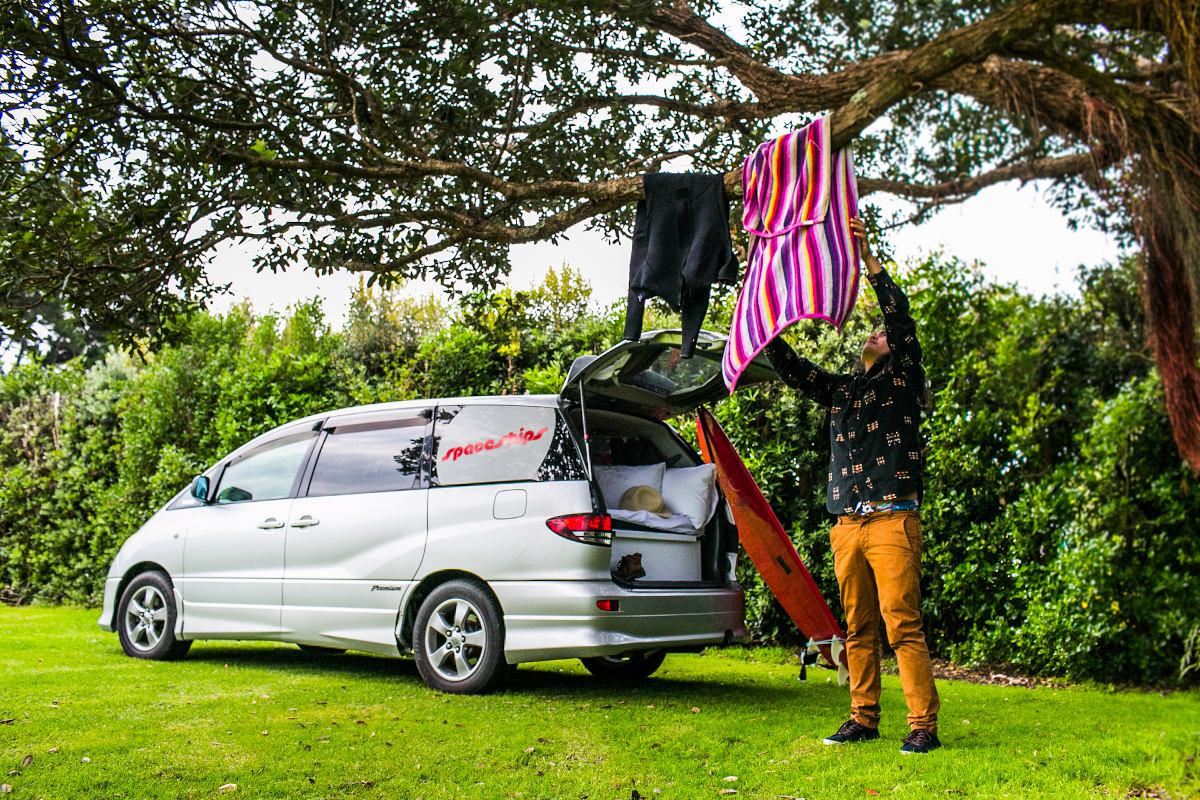
Eat, surf, sleep, repeat
Better Value Travel
The financial advantages of late summer travel extend well beyond campervan rentals. Accommodation providers across all categories (hotels, motels, holiday parks) start dialling their rates back towards standard pricing. DOC campgrounds maintain consistent year round pricing, but availability improves significantly, especially at those remote, non-bookable sites Spaceships road trippers know and love. Airbnb hosts see their calendars start to show more availability and may become more willing to negotiate or accept shorter minimum stays.
Activity pricing follows similar patterns. While the advertised rates for major attractions often stay put, more deals and packages start appearing. Things like multi-activity combos or better daily rates for smaller groups become more likely as demand softens.
Restaurant pricing also won’t change too much, but your ability to find value improves. Early bird specials return, bookings open up and food trucks aren’t run off their feet. Your money simply goes further. The same budget that brought you a stressed, heavily booked peak season experience now purchases a relaxed, flexible and enjoyable adventure where you’re not having to compromise.

Sleep in comfort in our Spaceships Campervans
Planning a Summer Road Trip in New Zealand
So, you’re sold on the timing. Now let’s talk logistics. Late summer’s flexibility means you don’t need to plan with military precision, but knowing which routes shine during this window and what to pack will set you up for a smoother trip.
Best Late Summer Road Trip Routes
The Northland Escape: Summer up north is something special. Start in Auckland and head north through Leigh and the Tutukaka Coast, hitting the Bay of Islands for sailing and dolphin encounters. Loop back down the west coast via Hokianga Harbour and the Waipoua Forest kauri trees, then Piha and the Waitakere Ranges. Late summer means Northland’s beaches are still warm enough for proper swimming, the seafood is abundant and the coastal roads feel like your own private discovery route.
The West Coast Explorer: By late summer, the Tasman Sea has calmed from its winter tantrums, the rainforests are lush and the glaciers are still accessible. Drive from Christchurch through Arthur’s Pass, up the coast past Punakaiki’s Pancake Rocks, visit Franz Josef and Fox Glacier, then loop back through Haast Pass to Wanaka and finish in Christchurch. This route delivers all of New Zealand’s greatest natural hits - mountains, waterfalls, beaches, swimming holes, glacial valleys and enough lush greenery to make other countries' forests look faded.
The North Island Coastal Loop: Start in Auckland and head east to the Coromandel Peninsula. Continue down through the Bay of Plenty’s surf beaches, inland to Rotorua’s geothermal wonders, then down to Hawke’s Bay wine country. Depending on your timeframe, extend the route down to Wellington and loop back up through the central North Island’s volcanic plateau. This route captures the North Island’s diversity - beaches, geothermal activity, wine regions and capital city culture.
The Southern Alps Adventure: Christchurch to Queenstown (and back) via Aoraki/Mount Cook and the Mackenzie Country. Late summer delivers those iconic turquoise lake views and stargazing opportunities where Tekapo and Pukaki are at their most photogenic under stable weather and warm light. Day hikes or scenic flights around Mount Cook and Wanaka are popular activities, and the alpine scenery hits peak drama without the winter snowfall. It’s New Zealand’s most concentrated dose of mountain beauty.
What to Pack for Summer in New Zealand
No matter when you visit New Zealand, versatility is the name of the game. Late summer means you’ll spend most days in shorts and t-shirts, but layers are non-negotiable. A light fleece or merino sweater is perfect for the cooler evenings, while a rain jacket is essential all year round (NZ weather doesn’t care what season it is meant to be). Temperatures can drop below 10 degree Celsius, especially in the South Island once the sun goes down. As for footwear, bring a good mix of sneakers, trail shoes, jandals (flip-flops), or sandals for beaches and campgrounds.
Along with layers, sun protection is also critical. The ozone layer above New Zealand is thinner making our sun particularly intense. The UV levels do not mess about, so sunscreen (SPF 50), sunglasses and a hat aren’t optional.
Quick tip: Sunscreen from overseas often has a lower SPF or different formulation that won't cut it against New Zealand's harsh sun. Pick up proper NZ-standard sunscreen at your first grocery stop after picking up your campervan. Your skin will thank you!

Late summer travel? Cheers to that!
Your New Zealand Experience
Late summer travel really is awesome, but it's not the only great time on New Zealand’s seasonal calendar. The country’s other seasons each bring their own advantages and knowing what they offer helps you pick the timing that actually matches what you’re after.
Autumn Travel - The Underrated Season
If the advantages of late summer resonate with you - smaller crowds, better value, comfortable weather and travel flexibility - then you may want to consider travelling in autumn. March and April in New Zealand represent perhaps the country’s most underrated travel window. Everything that makes late summer appealing gets amplified, plus you get a visual upgrade that summer simply can’t deliver - hello autumn colours!
The weather remains surprisingly warm, particularly in the North Island and northern South Island, with March often feeling like a continuation of summer. Areas like Central Otago, Arrowtown and the Canterbury high country explode into brilliant golds, oranges and reds creating photographic opportunities that rival anything summer could offer. We really could go on and on about what makes autumn so great - oh, and we have… Discover all the reasons why autumn might be New Zealand’s most underrated season in our complete guide to autumn road trips.
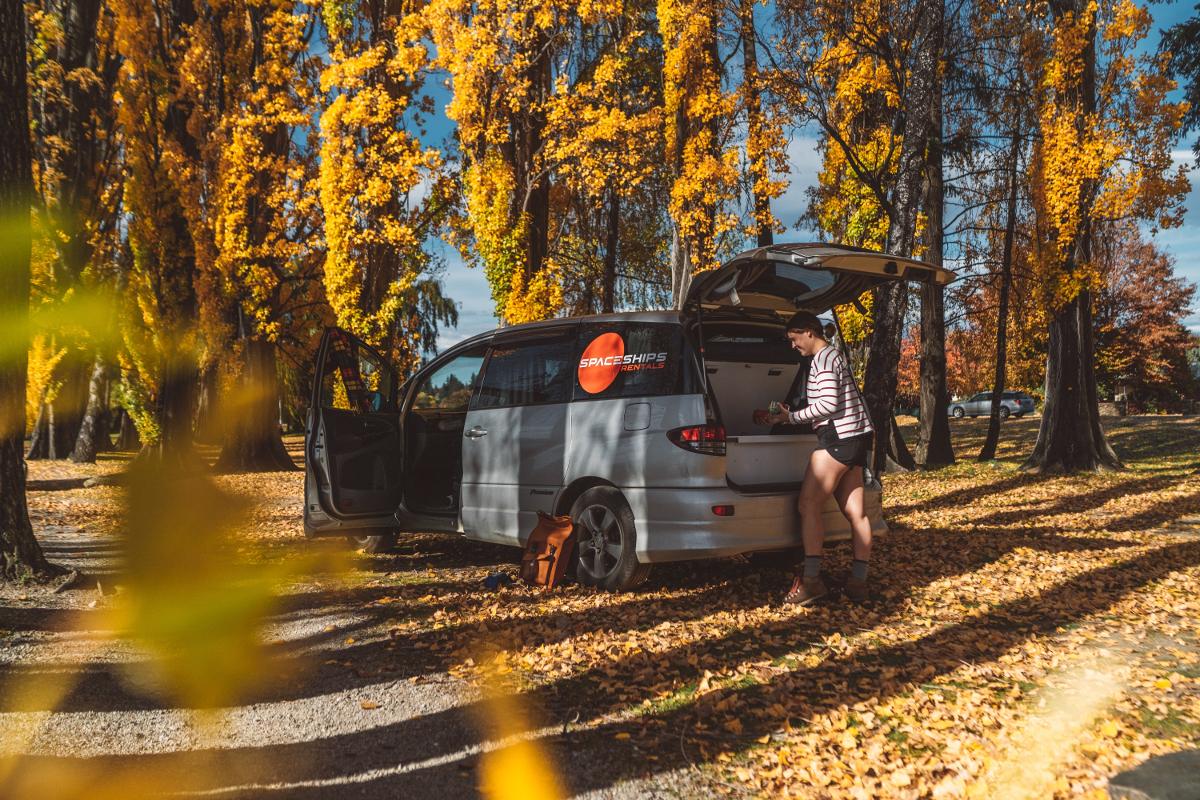
Autumn colours in all their glory
Spring Travel - The Shoulder Season Worth Considering
Spring (September-November) offers a different flavour of shoulder-season travel. Instead of autumn’s golden tone or summer’s reliable warmth, you get New Zealand in full bloom mode. Visit to see lupins carpeting the Mackenzie Country, cherry blossoms in Christchurch and wildflowers throughout national parks. In terms of weather, you’ll likely encounter more rainy days - but when it’s good, it’s truly spectacular.
The same pricing and crowd advantages apply. Travelling NZ in spring means you're visiting when most international visitors haven't arrived yet, so availability and value are excellent. Explore all of the advantages of spring travel in our seasonal guide.
Winter Travel - The Outlier Season
Winter travel (June-August) represents a completely different New Zealand experience. For those seeking winter thrills - skiing and snowboarding at world-class resorts, dramatic mountain photography and hot pools with snowy backdrops - it offers something the warmer months cannot. Learn more about winter road tripping and whether it’s right for you.
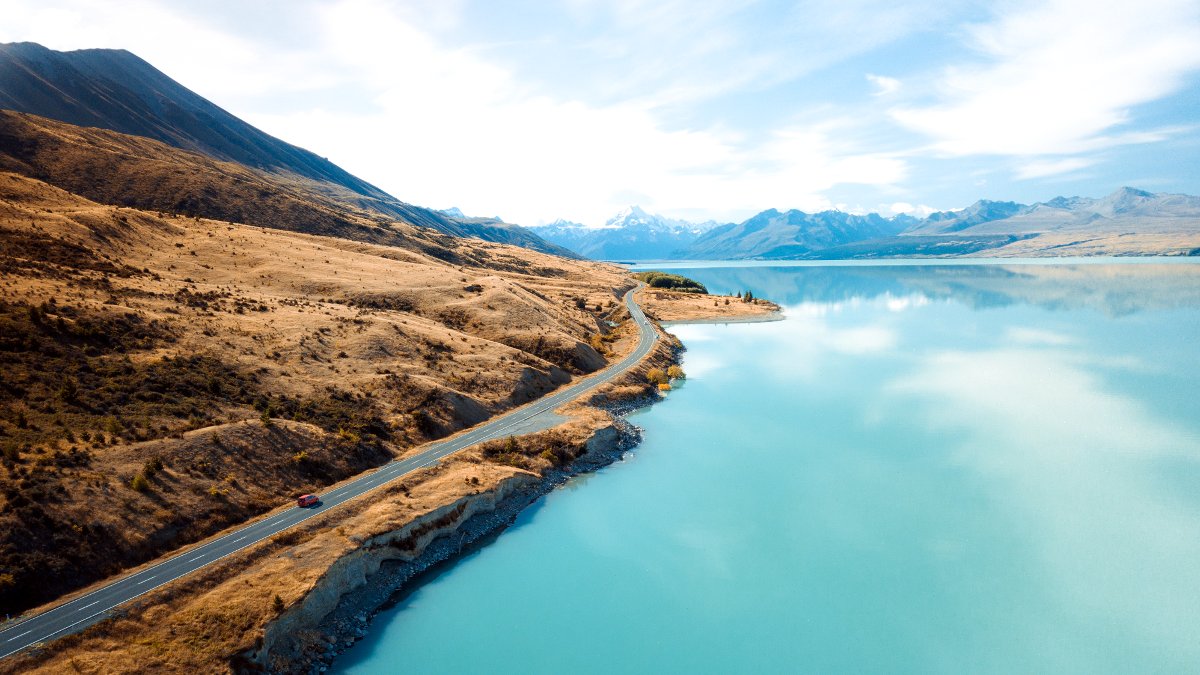
Road trip New Zealand all year round
Blast off to New Zealand
New Zealand’s summer delivers everything the brochures promise: stunning landscapes, incredible outdoor activities, vibrant coastal communities and weather that encourages exploring the outdoors. But the quality of that summer experience depends heavily on timing.
Late summer is the window most travellers miss entirely, and that works in your favour. It offers all the summer magic without the friction. Fewer crowds, minimal stress, fairer pricing and more room for spontaneity. For first-time visitors or returning travellers, summer in New Zealand is spectacular - it’s the timing that makes it unforgettable.
Ready to plan your road trip? Explore our Spaceships campervan options and start designing your perfect New Zealand adventure. The landing pad's waiting.
Compare Spaceships campervan options
Frequently Asked Questions